Home › Drywall Installation
Reliable, professional drywall installation in Savannah, GA from Savannah Drywall Repair. Contact us today for a free on-site estimate.
Savannah Drywall Repair provides professional drywall installation throughout Savannah, GA, Georgia and the surrounding area. Our licensed, insured crew delivers safe, clean, on-time work with a free estimate before anything begins. Call (912) 914-2791 or request your free quote.
Drywall Installation for Savannah Homes and Businesses
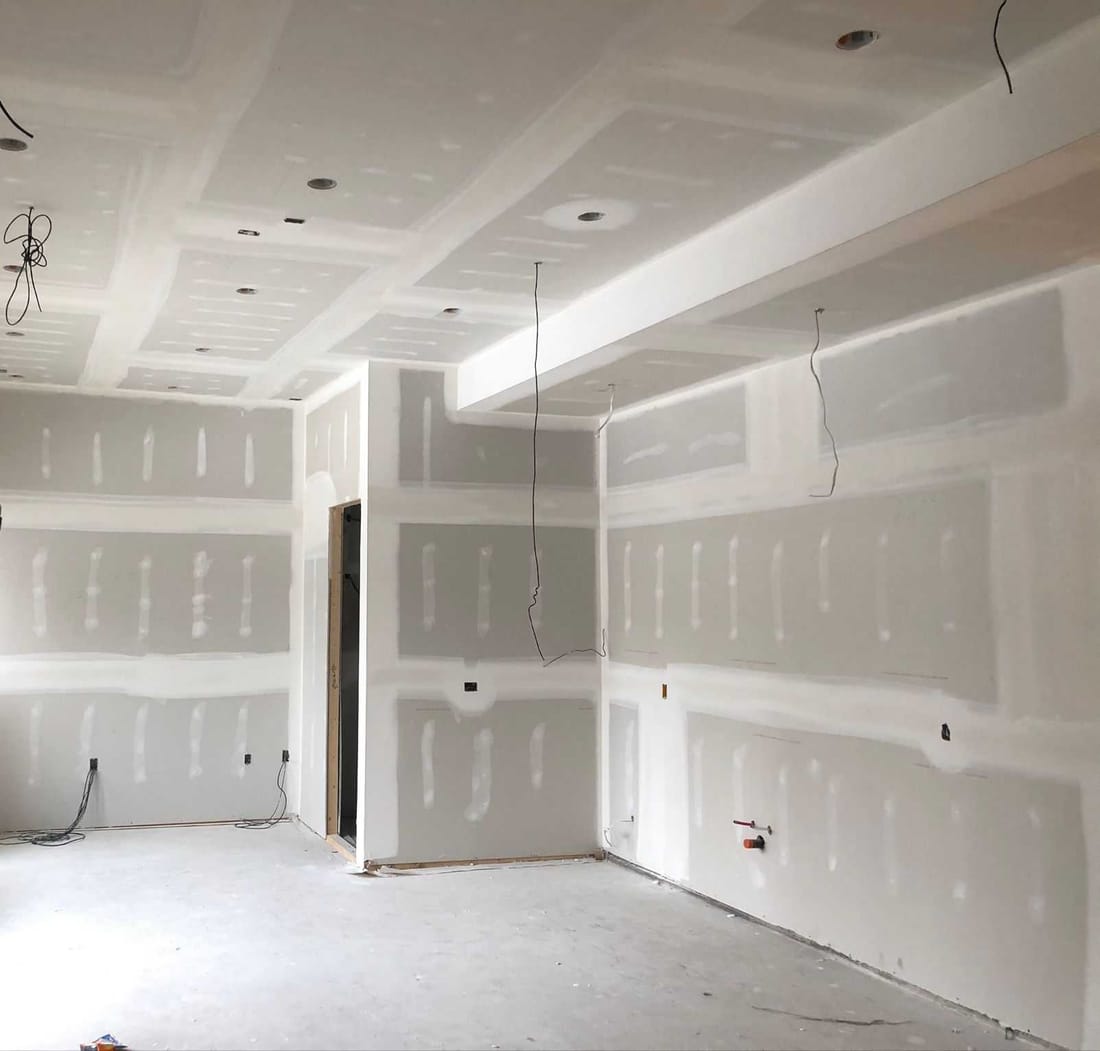
Drywall installation is the stage that turns a framed structure into real rooms. At Savannah Drywall Repair, we focus on clean, efficient installs that fit the way people actually live and work in Savannah, not just what looks good in photos.
We handle full drywall installation for new builds, additions, garage conversions, and commercial interiors across Savannah, Chatham County, and nearby coastal communities. Our crew is used to the realities of the local climate, like humidity, shifting foundations in older neighborhoods, and salt air near the water. That affects how we choose materials, how we fasten boards, and how we finish seams so you do not see cracks six months after moving in.
Instead of a one-size-fits-all approach, we look at your framing, existing finishes, and how each room will be used. A historic bungalow near Ardsley Park needs a different approach than a new office build-out on Abercorn. We discuss the level of finish you actually need, budget, and timeline before we ever unload a sheet of drywall from the truck.
Our Step-by-Step Drywall Installation Process
A good drywall job starts before the first screw goes in. On a typical project, Savannah Drywall Repair follows a clear sequence so you know what is happening and when.
1. Site check and prep: We confirm that inspections for framing, electrical, plumbing, and HVAC rough-in are complete where required by Savannah or Chatham County. We look for issues that will show through later, like bowed studs, missing blocking, or uninsulated exterior walls. We protect floors, windows, and fixtures, and set up dust control where we are working in occupied spaces.
2. Layout and panel selection: We measure each room and decide how sheets will be run to minimize joints and waste. For standard 8 foot ceilings, we often use 4x8 or 4x12 sheets horizontally to reduce seams. For tall ceilings in newer construction around Pooler and Southside, we may use longer boards to get cleaner walls.
3. Installation: We fasten drywall to wood or metal studs using corrosion resistant screws, no nails that can pop later in the humidity. On ceilings, we use more frequent screw spacing and sometimes additional adhesive to prevent sagging. We leave proper gaps where drywall meets concrete floors and around tubs or showers to avoid wicking moisture.
4. Taping and mudding: We embed tape in joint compound at all seams and cover screw heads. Inside corners get paper tape or corner tape, outside corners get metal or vinyl corner bead. We typically apply three coats of compound, each wider than the last, with sanding between coats. This is where many installs fail, so we take our time to keep seams flat and avoid “picture framing” around joints.
5. Final sanding and inspection: Once joints are dry, we sand with appropriate grit and use strong side lighting to spot imperfections. We patch any flaws before priming. On larger jobs we may recommend a primer coat to reveal any last issues before paint.
Material Options and What Works Best in Savannah
The type of drywall you choose affects durability, moisture resistance, sound, and cost. We walk you through options instead of just throwing up standard 1/2 inch board everywhere.
Standard drywall: For most interior walls and ceilings that are not exposed to moisture, basic gypsum board is the most cost effective. We typically use 1/2 inch thickness on walls and 5/8 inch on ceilings in certain cases to reduce sagging and improve fire resistance, especially in attached garages or between units.
Moisture and mold resistant drywall: Savannah’s humid climate and older plumbing mean bathrooms, laundry rooms, and basements need extra attention. We often recommend moisture resistant or mold resistant boards around tubs, showers, and in lower level spaces. For areas that will receive tile, especially in showers, we discuss whether cement board or another approved tile backer is more appropriate than drywall at all.
Sound control: In multi family homes, duplexes, or offices along busy streets like Victory Drive, clients often want quieter spaces. We can install thicker 5/8 inch boards, double layers of drywall, or sound dampening drywall products on shared walls, combined with insulation and staggered studs where possible. This is important in rentals and short term stays where noise complaints can affect business.
Fire rated assemblies: In garages, between living units, or near mechanical rooms, local building codes may require fire rated drywall. We can install Type X or other rated products in the exact thickness and layering required by code and the inspector overseeing your project.
Cost Factors for Drywall Installation in Savannah
Pricing for drywall installation is not just about the square footage. Savannah Drywall Repair gives clear, written estimates that break down what drives the cost so there are no surprises.
Project size and layout: Large, wide open areas with high access make for more efficient installs. Small, chopped up rooms in older Savannah homes, vaulted ceilings, and many cutouts for windows, niches, and built-ins take more time. Curved walls and specialty architectural details also increase labor.
Ceiling height and access: Standard 8 or 9 foot ceilings are straightforward. Higher ceilings, stairwells, and tight spaces sometimes require scaffolding or special lifts, which adds setup time and safety measures.
Material type and level of finish: Standard drywall with a basic Level 3 or 4 finish costs less than moisture resistant or fire rated boards finished to an almost flawless Level 5. If you plan to use glossy paint or strong side lighting, a higher level of finish is often worth the extra cost because any imperfections will be more visible.
Existing conditions: In remodels, we may need to demo old plaster, remove paneling, or correct framing that was not plumb or straight. We also look for past moisture damage, termite issues, or unpermitted electrical work that might need addressing before drywall goes up. Fixing these issues up front avoids tearing out new work later.
Timeline: If you are under pressure to meet a closing date, a tenant move-in, or an inspection deadline, we can often accommodate tighter schedules, but overtime or larger crews can affect the price. We will always explain any cost difference connected to rush work before we start.
What Savannah Property Owners Should Know Before Hiring
Hiring someone to install drywall means trusting them with the final look and feel of your space. A rushed or sloppy job will show through every coat of paint. Savannah Drywall Repair encourages homeowners, contractors, and property managers to ask a few direct questions before they choose an installer.
Licensing and insurance: In Georgia, drywall contractors working on larger projects or as part of general construction may fall under state licensing rules. We are fully insured and used to working under local GCs on permitted jobs in Savannah and Chatham County. Ask for proof of insurance and make sure any contractor is comfortable passing building inspections.
Experience with local building types: Savannah has a mix of 100 year old homes, cinder block additions, and new slab-on-grade construction. Installing drywall in a historic home with uneven framing and plaster remnants is not the same as working in a new subdivision. We adjust our methods to deal with wavy studs, settling, and existing finishes so the new surfaces look straight to the eye.
Moisture and foundation movement: With our climate and soil, hairline cracks can develop if drywall is rigidly tied to framing that moves. Where appropriate, we use the right screw pattern, flexible compounds at certain transitions, and proper gaps to reduce visible cracking. We also advise on venting, dehumidification, and checking flashing or roof leaks before closing up walls.
Communication and cleanup: A drywall crew can create dust and clutter if the job is not managed well. We schedule work to coordinate with other trades, keep debris contained, and clean up at the end of each day on occupied jobs. Before you hire anyone, get clarity on work hours, access to the property, and what cleanup is included in the price.
Why Work With Savannah Drywall Repair
There are plenty of people who can hang drywall. The difference with Savannah Drywall Repair is that we pay attention to the parts that most customers do not see but will definitely feel once the job is done.
We are local. We know how fast a coastal thunderstorm can roll through and what that means for protecting materials on site. We know which inspectors are strict about fire ratings in garages or stairwells, and how HOAs in newer developments around Savannah may want any common-area work documented and finished to a certain standard. We plan your drywall installation so you pass inspections and avoid rework.
We coordinate with other trades. On both residential and commercial jobs, drywall sits right between rough-in trades and finish trades. We make sure our scheduling fits the electrician, plumber, HVAC crew, and painter so your project does not stall waiting on one step in the chain.
We stand behind our work. On installation projects, we walk the space with you, mark any concerns, and correct issues before you paint. If a legitimate problem appears soon after installation that relates to our workmanship, we address it. Our goal is simple: flat, solid walls and ceilings that stay that way.
If you are planning new construction, an addition, or a renovation in Savannah and need professional drywall installation, Savannah Drywall Repair can review your plans, walk the site, and give you a detailed proposal that makes it clear what you are getting for your money.