Home › Drywall for Remodels and Additions
Reliable, professional drywall for home remodeling in Savannah, GA from Savannah Drywall Repair. Contact us today for a free on-site estimate.
Savannah Drywall Repair provides professional drywall for home remodeling throughout Savannah, GA, Georgia and the surrounding area. Our licensed, insured crew delivers safe, clean, on-time work with a free estimate before anything begins. Call (912) 914-2791 or request your free quote.
Drywall for Home Remodeling in Savannah, Done Right
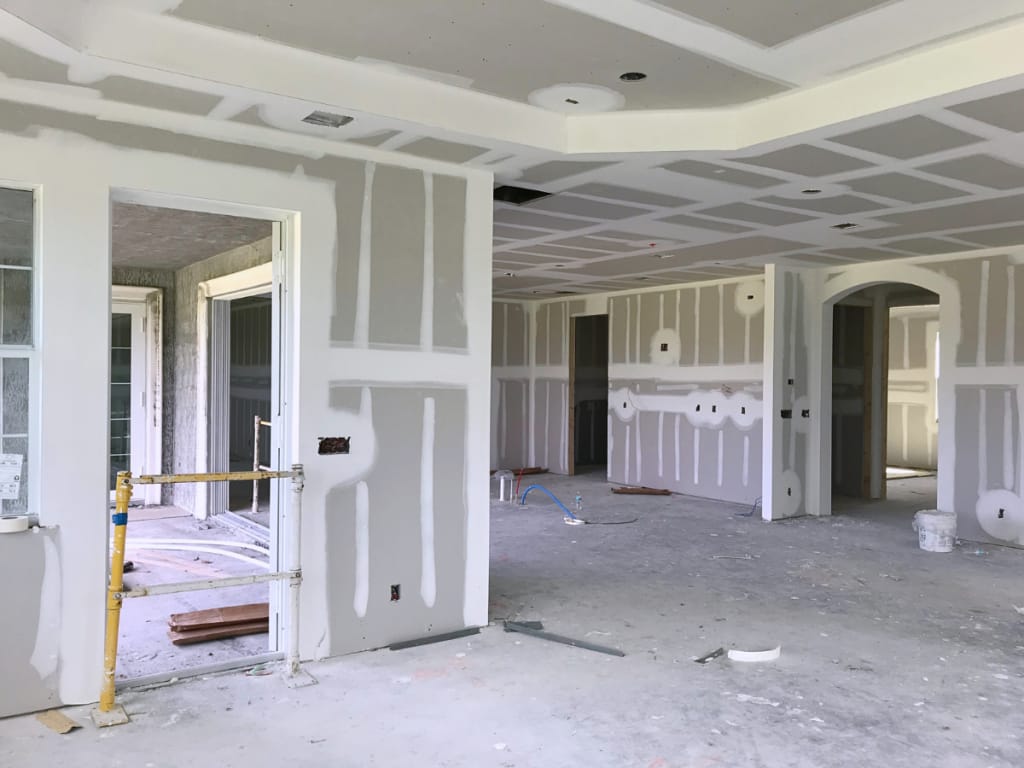
When you remodel or add on to your home, the drywall work is what makes everything look “finished.” At Savannah Drywall Repair, our drywall for home remodeling services are built around the way Savannah homes are actually constructed, from historic bungalows near downtown to newer builds in Pooler and Georgetown.
We start by walking the space with you, tape measure and notepad in hand. For remodels, we look at how the existing walls are framed, where electrical and plumbing are located, and how the new layout will tie into the old one. In older Savannah homes, we often find a mix of plaster, paneling, and previous drywall patches. We explain how we will transition from those surfaces to new drywall so you do not end up with wavy walls or visible seams.
For additions, we review your plans or work directly with your contractor to confirm stud spacing, ceiling heights, and insulation needs. Savannah humidity plays a role in what we recommend, especially for bonus rooms over garages, enclosed porches, and spaces that may not be conditioned year round. Our goal is to choose the right drywall products and installation methods so your new space looks sharp on day one and stays that way through our hot, damp summers.
Our Step-by-Step Process for Remodels and Additions
Successful drywall for home remodeling is all about sequencing and coordination. After any framing, electrical, and plumbing rough-ins are complete, we begin with a thorough inspection. We check for damp spots, previous leaks, and signs of movement in the framing. In Savannah, we often see minor settling in older neighborhoods like Ardsley Park, so we account for those irregularities before hanging the first sheet.
Step 1: Prep and protection. We cover floors, mask off adjacent rooms, and set up dust containment where needed. In lived-in homes, we often create a plastic zipper doorway so you can still use nearby areas while we work.
Step 2: Layout and hanging. We map out where each sheet of drywall will go to minimize seams in high-visibility areas. On ceilings, we normally run 5/8 inch drywall for rigidity, especially in humid spaces, and fasten with both screws and adhesive where appropriate to reduce future nail pops. On walls, we line up joints with framing to keep everything solid.
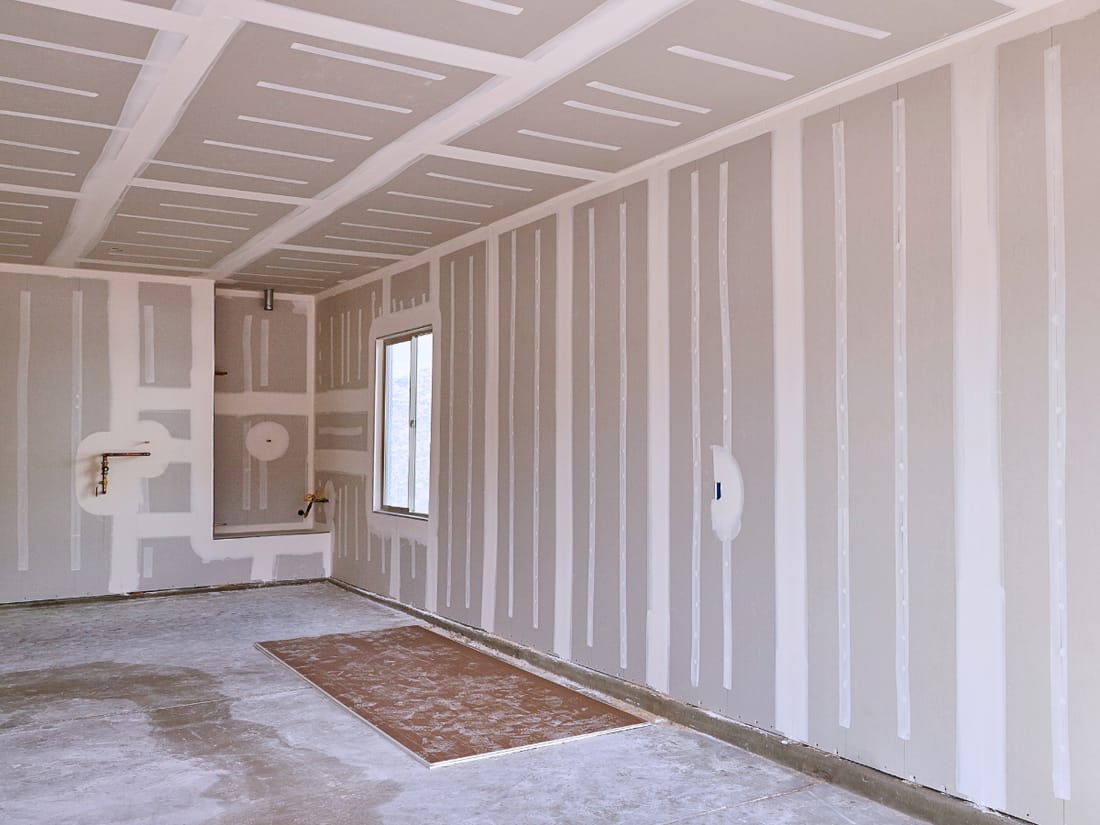
Step 3: Taping and mudding. We embed tape in joint compound at every seam, then build up multiple thin coats rather than one heavy coat. This is slower but it prevents cracking and reduces sanding. Inside corners, outside corners, and transitions from old to new surfaces each get their own technique and materials.
Step 4: Sanding and surface prep. We use vacuum-assisted sanders in most remodels to keep dust down. Between coats, we use raking light to spot low areas or ridges so you do not see lines when the sun hits the wall in the afternoon.
Step 5: Texture and primer. If your existing walls are smooth, we finish smooth. If you have an orange peel or light knockdown texture, we match that by hand so the new work disappears. We finish with a drywall primer that seals the surface evenly, which helps your paint look consistent from corner to corner.
Material Options and Design Details That Matter
Drywall is not one-size-fits-all, especially in Savannah’s coastal climate. When we plan drywall for home remodeling projects, we explain material options in plain language so you can make smart choices.
Standard drywall (typically 1/2 inch) works for most interior walls and ceilings in conditioned spaces. For bathrooms, laundry rooms, and areas near exterior doors that see a lot of humidity and wet shoes, we often recommend moisture-resistant drywall. It is not a substitute for proper waterproofing in a shower, but it does better with day-to-day humidity and the occasional splash.
For garages, workshops, or bonus rooms over garages, we may suggest a heavier or fire-rated board, especially when local building codes or your insurance company requires a fire barrier between the garage and living space. In some island and marshfront neighborhoods around Savannah, we might also recommend mold-resistant board for lower levels that have a higher risk of dampness.
Aesthetic choices matter too. If you are opening up walls for an open-concept kitchen, adding a coffered ceiling, or building out a new primary suite, we look at how drywall details will support your design. This might include radius corners instead of sharp metal corners, deeper window returns to frame views, or building out drop soffits to hide ducts and wiring while adding architectural interest.
We also talk about sound. For home offices, nurseries, or media rooms, we can use thicker board, staggered seams, sound-damping drywall, or additional insulation to cut down noise between rooms. These decisions are easiest and most affordable to make before we hang the first sheet, which is why we walk through them with you at the planning stage.
Costs, Timelines, and Common Problems to Watch For
Homeowners often want to know what drives the cost of drywall for home remodeling. The biggest factors are square footage, ceiling height, complexity of the layout, and how much repair or tie-in work we need to do to blend new surfaces with existing ones. A big open addition with simple walls is usually more straightforward than a small remodel with lots of soffits, built-ins, and tricky transitions.
Curved walls, arches, or heavy texture matching take more labor. So do patching and feathering into existing surfaces where cabinets, tile, or trim limit our working space. In Savannah’s older homes, we sometimes have to straighten framing or shim walls to avoid visible waves in the final finish. That extra prep pays off in the long run but it can add to both time and cost.
Common problems we see include cracks where new framing meets older parts of the house, nail pops from previous work, and moisture issues around windows or exterior doors. We look for these during our first visit. If we find an underlying problem, like an active leak or soft subfloor, we will point it out and coordinate with you or your contractor before we close up the walls.
Typical timelines range from a couple of days for a small remodel area to a week or more for a full addition, depending on drying times for joint compound and the level of finish you choose. Savannah’s humidity can slow drying slightly, so we plan the schedule around real-world conditions rather than rushing coats and risking future cracks or shrinkage lines.
We provide clear, written estimates that break out labor and materials. If you are comparing bids, pay attention to what level of finish is included (for example, a Level 4 or Level 5 finish), whether primer is part of the price, and if texture matching is specifically mentioned rather than assumed.
Why Local Experience Matters for Your Remodel or Addition
Remodeling around Savannah presents some unique challenges that generic drywall crews from outside the area often miss. We work in a mix of frame houses, brick homes, coastal properties, and historic structures. Each behaves a little differently when you start moving walls, opening ceilings, or tying new additions into old framing.
Savannah Drywall Repair understands how our coastal air and frequent storms affect materials over time. For example, we are careful about the fasteners and corner bead we use near exterior walls to avoid future rust spotting. In low-lying or flood-prone areas, we pay extra attention to past water lines and history so you do not end up sealing moisture into your new walls.
Because we are local, communication and scheduling are straightforward. We are used to coordinating with Savannah-area electricians, plumbers, HVAC installers, and inspectors. If your project is in a neighborhood with specific HOA rules or city permitting requirements, we can schedule our work to fit around inspections and other trades so your remodel keeps moving.
Before you hire anyone for drywall for home remodeling, ask how they handle blending new and old surfaces, what steps they take to control dust in lived-in homes, and how they plan for Savannah’s humidity when scheduling and choosing materials. We are happy to walk you through our answers on-site so you can see exactly how your remodel or addition will go from open studs to paint-ready walls that look like they have always been part of your home.