Home › Acoustic and Sound-Rated Drywall Systems
Reliable, professional acoustic drywall systems in Savannah, GA from Savannah Drywall Repair. Contact us today for a free on-site estimate.
Savannah Drywall Repair provides professional acoustic drywall systems throughout Savannah, GA, Georgia and the surrounding area. Our licensed, insured crew delivers safe, clean, on-time work with a free estimate before anything begins. Call (912) 914-2791 or request your free quote.
Practical Sound Control Solutions for Savannah Homes and Businesses
Acoustic drywall systems are not exotic or mysterious. They are planned, layered wall and ceiling assemblies designed to slow down and absorb sound. At Savannah Drywall Repair, we start by asking what kind of noise is the real problem: TV and music between rooms, footsteps from an upstairs unit, noisy plumbing, or street traffic from Victory Drive or Bay Street. Your answers determine whether we focus on airborne noise, impact noise, or both.
For typical homes in Savannah, we see two main goals: keeping bedroom and nursery spaces quiet, and improving privacy between shared walls in duplexes and townhomes. For commercial clients, it is often about conference room privacy or separating a loud breakroom from quiet offices. Once we understand the actual noise paths, we choose between thicker sound rated gypsum boards, resilient mounting hardware, sound damping compounds, insulation upgrades, or a combination.
Savannah humidity and temperature swings matter. Acoustic caulks and adhesives cure differently when the air is heavy and warm, which is most of the year here. We schedule and stage work so compounds have proper cure time and the building can be closed up and climate controlled before final finishing. This prevents soft joints, cracks, and reduced sound performance that can come from rushing the process in our coastal climate.
How We Design an Acoustic Drywall System for Your Space
A proper acoustic drywall system is not just a single special board on the wall. It is an assembly of materials that work together. When Savannah Drywall Repair visits your property, we start with a walk through and a simple noise mapping conversation: where the sound starts, where it is most bothersome, and what rooms must be protected.
We then inspect existing framing, wall thickness, ceiling height, and any shared mechanical chases that can leak sound. In older Savannah homes around Ardsley Park and Downtown, we often find irregular framing and out of plumb walls. We measure these conditions because they affect which sound rated boards and channels will fit without major reconstruction.
Next, we select a system layout. This might mean double layer drywall with a damping compound between sheets on a shared bedroom wall, resilient channels on a condo ceiling to reduce impact noise from above, or a staggered stud or double stud wall for recording or conference rooms that need serious isolation. We also identify where to use acoustic sealant and backer rod at perimeters and penetrations. Every screw pattern, gap, and joint is planned, because weak points in the assembly can easily undo the benefits of premium materials.
Materials and Options: What Actually Goes in Your Acoustic Walls
There is no single product that solves all sound problems, so we pull from a set of proven options that fit Savannah conditions and your budget.
Sound rated gypsum board: These are heavier or specially laminated drywall panels designed to slow airborne sound. We use them in one or two layers depending on the performance you need. For example, a renters hallway wall may only need one layer, while a home theater backing up to a nursery usually gets two.
Damping compounds: These are applied between two sheets of drywall to convert vibration into a small amount of heat. They need the right bead thickness and spacing, and they must be allowed to cure in a reasonably dry indoor environment. That means we avoid applying them when the building is still open to summer humidity or driving rain.
Resilient channels and sound clips: These metal components separate the drywall from framing so less vibration transfers through studs and joists. We pay close attention to screw placement, because if a single screw accidentally hits a stud instead of only the channel, it can create a rigid short circuit that carries sound.
Insulation and cavity treatments: Dense fiberglass or mineral wool in wall and ceiling cavities helps absorb sound. It has to be fluffed and placed correctly, not compressed, to perform as intended. In some historic structures with shallow cavities, we explain how much improvement is realistic before you commit to the upgrade.
Our Installation Process, Step by Step
Once the design is set, Savannah Drywall Repair follows a predictable process so the acoustic performance we plan on paper actually happens in the field.
Preparation: We clear access, protect floors and furnishings, and verify that electrical, plumbing, and HVAC rough ins are complete. Any extra penetrations, such as low voltage wiring, are planned at this stage so we can seal them properly later.
Framing adjustments: If the plan calls for staggered studs, double walls, or added blocking for heavy sound rated boards, we handle that before any board goes up. In older Savannah buildings with uneven framing, we sometimes shim studs or joists to keep the final assembly flat. This helps avoid compound cracking and maintains the specified air gaps that are critical for sound control.
Board hanging: We install drywall or sound rated board according to the chosen layout, paying close attention to joint staggering and screw spacing. For ceilings, we often use screw patterns slightly tighter than standard to handle the additional weight of acoustic assemblies, especially in humid months when materials can be more flexible.
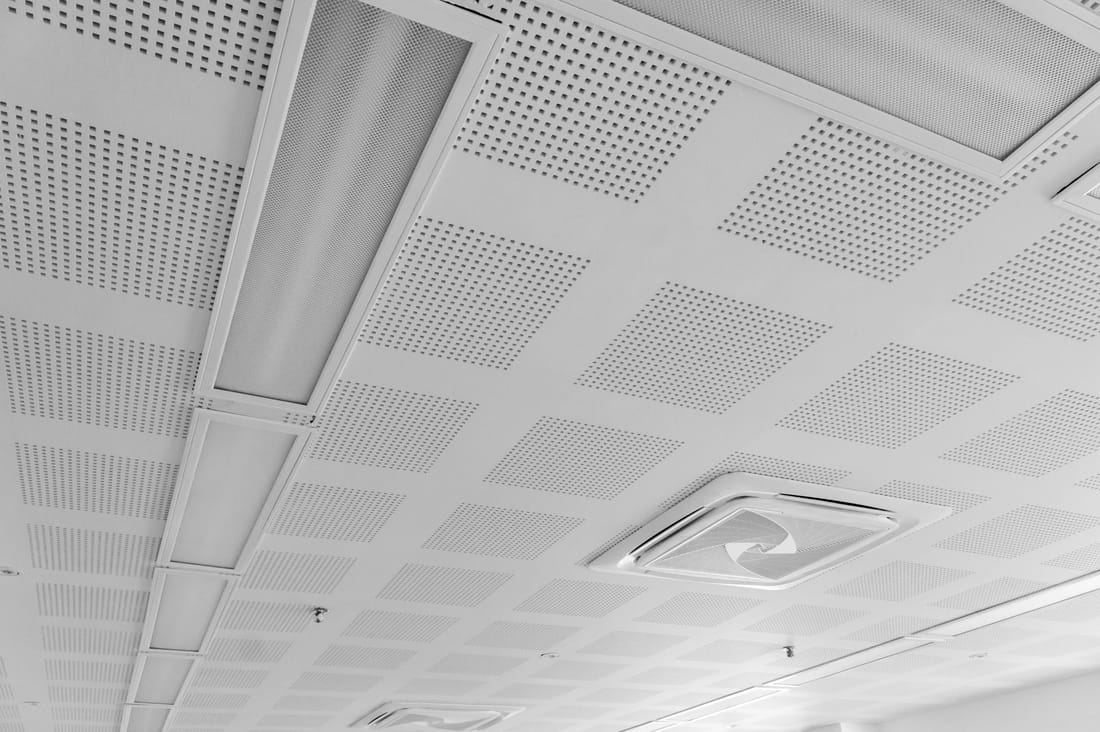
Sealing and detailing: We apply acoustic sealant at all wall perimeters, outlet boxes, and any pipe or duct penetrations. Around can lights and ventilation grilles, we use acoustic backer boxes or mastic and caulk combinations, depending on access. After that, we tape, mud, and sand joints using standard finishing techniques, but we avoid overcutting or reworking joints that might disturb acoustic sealant behind the surfaces.
Inspection and cleanup: Before painting, we walk the space with you, verify that expected penetrations are sealed, and explain where not to cut or drill in the future to preserve sound performance.
Costs, Timelines, and Common Issues in Savannah
Cost for acoustic drywall systems in Savannah depends on three main factors: the level of sound reduction you want, the size and complexity of the space, and how much of the existing structure needs modification.
Level of sound reduction: Upgrading from standard walls to a modest improvement, such as insulation plus one layer of sound rated drywall, is relatively affordable. Moving to high performance systems, like double stud walls with multiple board layers and damping compound, adds material and labor. We discuss STC (Sound Transmission Class) targets in plain terms so you understand what each option buys you in real world terms, like turning loud speech into a muffled sound instead of silence.
Size and complexity: A single bedroom party wall is quick and straightforward. A multi room condo ceiling with multiple light fixtures and ductwork is more complex, because each penetration must be detailed. Historic homes with plaster, wavy framing, or unknown cavities require more exploratory work and patching.
Savannah specific issues: Humidity and salt air can corrode fasteners over time if the wrong materials are used, so we select appropriate screws and, where needed, moisture resistant boards for exterior walls that also need acoustic treatment. Scheduling is another local factor. During our rainy seasons, we avoid scheduling critical stages like applying damping compounds or sealants when the building cannot be closed and climate controlled.
We also explain what acoustic drywall will not do. It will not fully block subwoofer vibrations through shared concrete slabs, and it cannot fix every noise that travels through old single pane windows or under unsealed doors. For those problems, we may suggest complementary upgrades, such as better door seals or window improvements, so you do not overspend on walls expecting them to solve unrelated issues.
What to Ask Before You Hire an Acoustic Drywall Contractor
If you are comparing quotes for acoustic drywall systems in Savannah, asking a few specific questions can help you avoid disappointment later.
Ask what STC level or performance target the contractor is building toward, not just what product they are using. A quote that only mentions a brand name acoustic board without describing the full assembly, including insulation, channels, and sealants, is incomplete.
Ask how they handle penetrations. Every outlet, light, and pipe is a potential sound leak. Savannah Drywall Repair details how we will treat each type of penetration and which acoustic caulks or backer boxes we use.
Ask about experience in humid coastal climates. Installers who do not consider our local conditions may rush curing or choose the wrong compounds. We can walk you through our approach to sequencing work so joints and sealants cure properly even in August heat.
Finally, ask for a clear scope of work in writing. Our proposals for acoustic drywall systems specify existing conditions to be removed, framing modifications, board types and thicknesses, insulation type and density, fastener types, and finishing level. This way, you know exactly what you are paying for, and you can compare it fairly with any other quote you receive.